 English
 العربية
 中文(简体)
 Français
 Deutsch
 Italiano
 Polski
 Português
 Русский
 Español
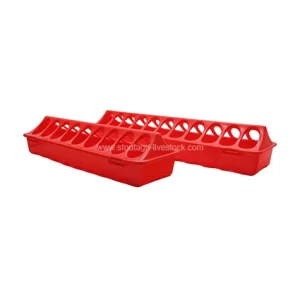
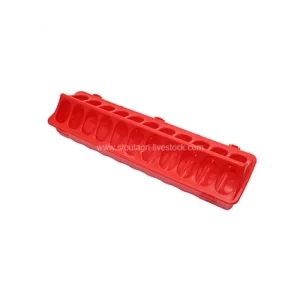
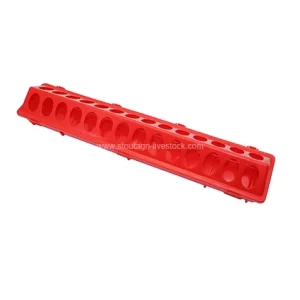
Feeding Trays for Chicks
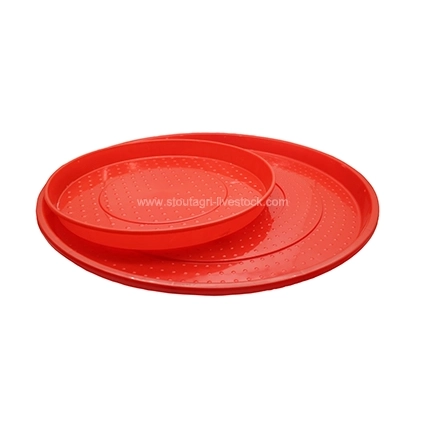
Feeding Trays for Chicks are designed for day-old chick feeding management in commercial hatcheries, brooder houses, and small poultry production units. The tray design provides easy access to starter feed while helping operators manage feed distribution during early growth stages.
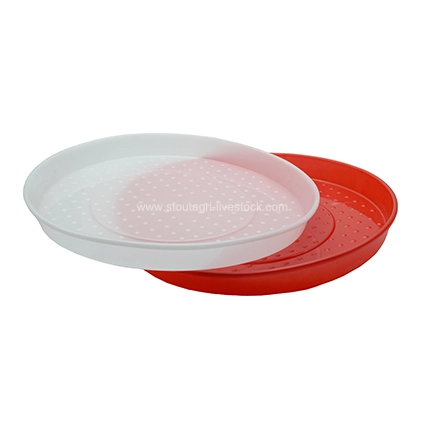
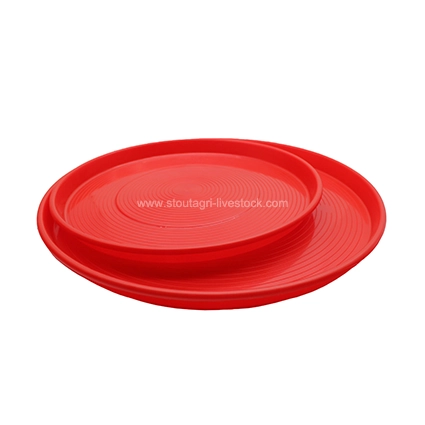
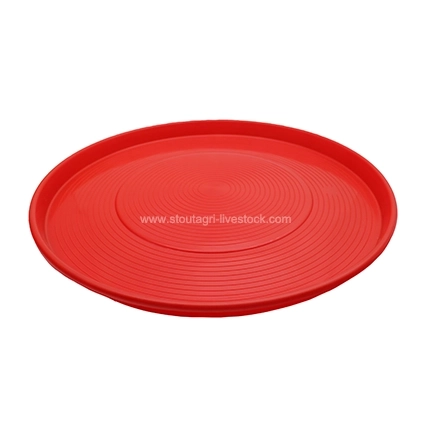
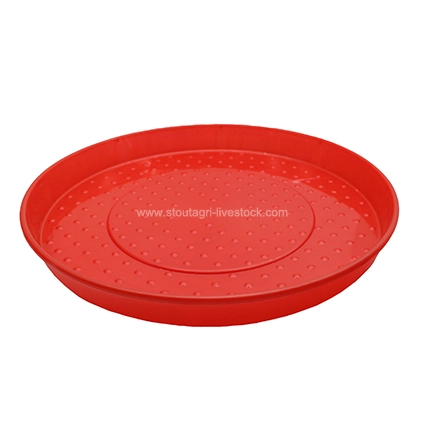
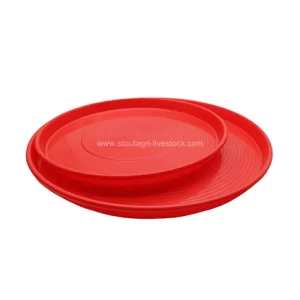
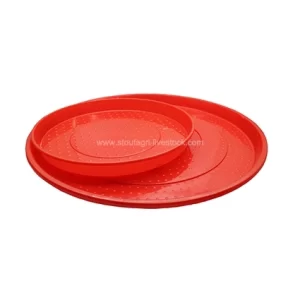
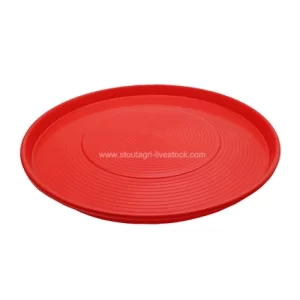
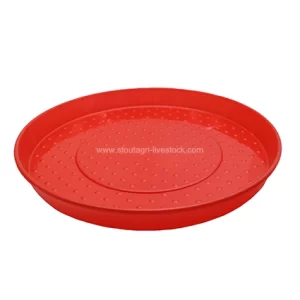
StoutAgri supplies multiple tray sizes to match different flock densities and production requirements. The available models use polyethylene construction with different base surface patterns, including concentric ring ridges and raised anti-slip dots, allowing farms to select a suitable feeding solution according to bird type and brooding conditions.
Technical Specifications
| Product Code | Material | Diameter × Height | Base Pattern & Texture | Color Options | Target Poultry | Recommended Capacity |
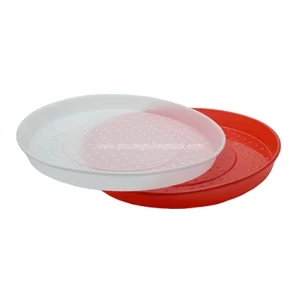
| 422500 | Polyethylene | Φ800 × 40mm | Concentric Ring Ridges | Red, White, or upon request | Large Scale Commercial Broiler Chick Hatcheries | 90–120 day-old chicks/unit |
| 422501 | Polyethylene | Φ600 × 40mm | Raised Anti-Slip Dots | Red, White, or upon request | Standard Broiler/Layer Day-Old Chicks | 70–90 day-old chicks/unit |
| 422502 | Polyethylene | Φ500 × 35mm | Raised Anti-Slip Dots | Red, White, or upon request | Brooder Stage Chicks and Small Game Birds | 50–70 day-old chicks/unit |
| 422503 | Polyethylene | Φ400 × 25mm | Concentric Ring Ridges | Red, White, or upon request | Brooder Stage Chicks, Poults, and Ducklings | 30–50 day-old chicks/unit |
| 422504 | Polyethylene | Φ320 × 25mm | Concentric Ring Ridges | Red, White, or upon request | Quail Chicks and Small Hatchery Setups | 20–30 day-old chicks/unit |
Key Features
- Multiple size options for different brooding scales
Five available tray sizes allow farms to select suitable feeding capacity for hatcheries, brooder rooms, and smaller poultry operations. - Polyethylene construction for daily farm use
The tray body uses polyethylene material, which supports routine handling, cleaning, and repeated use in poultry environments. - Textured base design for feeding management
Selected models use concentric ring ridges to help retain feed within the tray area, while raised anti-slip dots provide a more stable surface during early chick development. - Low-profile tray structure for young birds
The shallow height design allows day-old chicks to reach feed easily during the brooding stage.
Farm Applications
- Commercial broiler chick hatcheries using high-density brooding layouts
- Layer chick rearing areas during the first feeding stage
- Brooder houses for poults and ducklings
- Quail chick production and small-scale hatchery operations
Commercial farms commonly transition from manual chick feeding equipment to automatic poultry feeding systems as birds grow and production requirements increase.
Maintenance & Cleaning Tips
Clean the tray regularly to remove remaining feed, dust, and organic material. Polyethylene surfaces allow routine washing with standard farm cleaning procedures.
Before reuse between batches, inspect the tray edges and base surface for damage. Replace trays that show cracks or structural deformation to maintain proper feeding conditions.
FAQ
What size feeding tray should I choose for chicks?
The suitable size depends on flock quantity and production stage. Larger trays are generally recommended for commercial hatchery operations, while smaller models fit brooder rooms and smaller bird groups.
Can these trays be used for quails or ducklings?
Yes. Selected models are designed for quail chicks, ducklings, poults, and other early-stage poultry according to the specified application range.
How should the trays be arranged in a brooder house?
Farm operators typically place trays evenly throughout the brooding area to provide balanced feed access and reduce competition between chicks.