
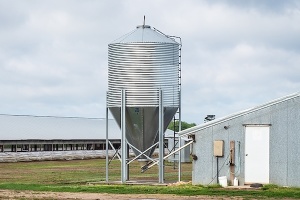
Understanding the Significance of feed Silo in Livestock Farming
Selecting the proper feed silo is a critical decision for modern pork and poultry producers. This central storage unit, a core component of bulk feed handling, directly impacts operational efficiency, feed quality, and animal health. For swine and chicken operations, the right livestock feeding equipment safeguards nutritional integrity by creating a secure barrier against moisture, pests, and spoilage. An optimized feed supply system streamlines your entire workflow, reduces labor, and minimizes waste, directly boosting your bottom line.
What are the key factors in selecting the ideal storage solution?
Capacity and Scale Considerations
D'abord, analyze your consumption rates. A broiler house with 50,000 birds has vastly different needs than a 500-sow farrowing unit. Calculate your daily intake and desired delivery frequency. This determines the necessary holding volume. The goal is to maintain a sufficient buffer without letting ingredients stagnate. Furthermore, consider future expansion. Investing in a slightly larger container now can accommodate business growth, preventing the need for a costly secondary purchase later.
Construction and Material Specifics
Galvanized steel remains the industry benchmark for its strength and corrosion resistance. The interior surface demands equal attention. A smooth, non-stick finish is essential for preventing residue buildup and ensuring complete, clean discharge. This is particularly crucial for certain poultry diets that can be prone to sticking. The discharge cone’s angle is another vital feature. It must be steep enough to guarantee a consistent, uninterrupted flow for all feed types, from fine mash to pelleted rations, thereby eliminating bridging.
Species-Specific Application Insights
For poultry farmers, the integration between the storage unit and the automated delivery lines is paramount. The entire mechanism must work in perfect harmony to ensure a constant supply to the birds. Consistent feed flow supports optimal growth rates and flock uniformity.
En revanche, swine operations often deal with different feed phases, from starter to finisher diets. Here, having multiple smaller hoppers can be more advantageous than one giant one. This setup allows for efficient management of various rations simultaneously. It provides the flexibility to cater to the specific nutritional requirements of different animal groups within the same facility.
What is the long-term performance management of feed silos?
Proper installation sets the stage for reliability. A perfectly level and reinforced concrete base is non-negotiable to support the immense weight. Once operational, a simple but consistent maintenance routine is key. Regular visual checks for seal integrity and surface damage are crucial. Implementing a strict “first-in, first-out” inventory practice preserves feed freshness and prevents spoilage.
Finalement, your choice in feed storage technology is an investment in your farm’s future. The correct system protects your feed investment, cuts operational costs, and supports animal welfare. By carefully evaluating your specific requirements for pig or chicken production, you can select a solution that delivers durability, efficacité, and a strong return on investment.