
Come ottenere l'alimentazione di precisione nell'allevamento moderno per allevamento di maiali?
In the fast-paced world of modern pig farming, precision feeding systems for modern pig farms have become a game-changer for producers aiming to boost efficiency, tagliare i costi, e migliorare il benessere degli animali. These systems go beyond traditional feeding methods by using data and technology to deliver the exact nutrients each pig needs, at the right time and in the right amount. Unlike one-size-fits-all feeding plans that often lead to overfeeding or undernourishment, precision systems tailor diets to factors like age, peso, health status, e fase di crescita. This not only reduces feed waste—a major expense for farms—but also supports healthier pigs that reach market weight faster, ultimately increasing profitability for farmers.
Primo, start with data collection to lay the groundwork for effective precision feeding. Farmers can use tools like electronic ear tags or weight sensors to track individual pig metrics. These devices record daily weight gains, feed intake rates, and even behavioral patterns, such as how often a pig visits the feeder. By collecting this data consistently, farmers gain clear insights into which pigs need more protein, which require extra energy, and which might have health issues affecting their appetite. Without accurate data, even the best feeding system cannot make informed adjustments, so investing in reliable data-gathering tools is a critical first step.
Prossimo, leverage software to analyze the collected data and create customized feeding plans. Many precision feeding systems come with user-friendly software that processes data in real time. This software uses algorithms to match each pig’s needs to specific feed formulas—for example, young piglets might get a diet high in lactose and protein to support growth, while adult sows could receive a mix focused on reproductive health. Farmers can adjust these plans easily if data shows changes, such as a drop in weight or a spike in feed intake. This flexibility ensures that feeding strategies stay relevant as pigs grow and farm conditions shift.
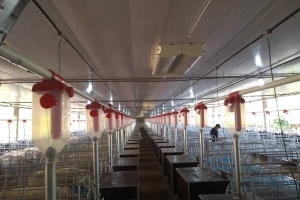
Poi, integrate automated feeding equipment to put plans into action efficiently. Automated feeders—controlled by the same software used for data analysis—dispense the exact amount of feed to each pig or group. Some systems even use sensors to detect when a pig is nearby, ensuring that feed is delivered only when needed. This reduces waste from overfeeding and prevents pigs from competing for food, which lowers stress and improves overall health. Automated equipment also saves time for farmers, who can focus on other tasks like health checks or facility maintenance instead of manual feeding.
Inoltre, prioritize regular monitoring and adjustment to keep precision feeding systems working well. Even with the best technology, factors like changes in feed quality, weather, or pig health can affect results. Farmers should check data reports weekly to spot trends—such as a group of pigs gaining weight more slowly than expected—and adjust feed formulas or equipment settings accordingly. They should also calibrate sensors and feeders monthly to ensure accuracy. Regular maintenance prevents small issues from becoming big problems, keeping the system efficient and reliable.
Finalmente, consider the long-term benefits of precision feeding for both farms and the environment. By reducing feed waste, precision systems lower costs for farmers and decrease the amount of resources needed to produce feed—such as water and land. They also reduce nutrient runoff from manure, which helps protect local waterways. Healthier pigs mean fewer antibiotics are needed, which supports safer food production. These benefits make precision feeding a smart choice for modern pig farms looking to be more efficient, sustainable, and profitable.
Insomma, achieving precision feeding in modern pig farming requires a combination of data collection, software analysis, automated equipment, regular monitoring, and a focus on long-term benefits. By following these steps, farmers can tailor feeding strategies to each pig’s needs, reduce waste, improve animal welfare, and boost profitability. As the industry continues to evolve, precision feeding will remain a key tool for farms looking to stay competitive and sustainable.