
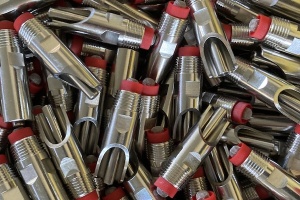
Con quale frequenza è necessario sostituire gli abbeveratoi con tettarelle per suini in acciaio inossidabile?
Per allevamenti di suini, bevitori di capezzoli in acciaio inossidabile are workhorses—they deliver consistent hydration, resist corrosion, and stand up to rough pig behavior. But like all farm equipment, they don’t last forever. Knowing when to replace these drinkers isn’t just about avoiding breakdowns; it’s about keeping water flow steady, preventing contamination, and protecting pig health. Below is a practical guide to their lifespan and replacement triggers.
Primo, let’s set baseline expectations: high-quality stainless steel nipple drinkers typically last 5–7 years with proper care. This timeline hinges on two key factors: usage intensity and maintenance. For large commercial farms (con 1000+ maiali), constant use and frequent contact with rough snouts can wear parts faster—shaving 1–2 years off the lifespan. Smaller farms, with lighter usage, may get 7+ years out of the same model.
So, what are the clear signs it’s time to replace? Start with water flow issues. If a drinker drips constantly (wasting water and wetting litter) or only releases a weak trickle (leaving pigs thirsty), the internal valve is likely worn. Stainless steel resists rust, but the rubber or plastic components inside the nipple can degrade over time—especially if exposed to hard water or cleaning chemicals. A quick test: press the nipple; it should release a steady stream (0.5–1 liter per minute for grower pigs) and stop completely when released. If not, replacement is due.
Prossimo, check for physical damage. Dents, cracks, or bent nipples (from pigs chewing or pushing) create hiding spots for bacteria. Even small cracks can harbor pathogens like E. coli, which spread quickly through a herd. Run a cloth over the nipple’s surface; if you feel rough edges or catch the fabric on a crack, swap the drinker immediately. Damaged parts aren’t just unsanitary—they can also injure pig snouts, leading to infections.
Maintenance habits also shape replacement timing. Flushing drinkers weekly (to clear sediment) and sanitizing monthly (with mild, farm-safe cleaners) extends their life. Skip these steps, and mineral buildup or bacteria can accelerate internal wear. Per esempio, farms in areas with hard water may need to descale drinkers quarterly; otherwise, mineral deposits will clog valves and force early replacement.
Another trigger: changes in herd size or pig age. If you switch from nursery pigs to sows (which need higher water flow), older drinkers may not meet demand—even if they’re still functional. Upgrading to a larger-flow nipple (instead of forcing an old model to perform) boosts efficiency and pig comfort.
Finalmente, consider cost vs. benefit. A failing drinker wastes water (increasing utility bills) and risks pig dehydration (slowing growth and reducing profits). Replacing a $2-5 drinker early is cheaper than treating a herd for illness or absorbing lost production.
In short, stainless steel pig nipple drinkers last 5–7 years, but watch for flow issues, physical damage, and poor performance. Prioritize regular maintenance to maximize lifespan, and replace proactively when signs of wear appear. Quel Stoutagri, our stainless steel nipple drinkers are built for durability—paired with proper care, they keep your pigs hydrated and your farm running smoothly for years. For farms unsure about their drinkers’ condition, our team can help assess and recommend replacements tailored to your operation.
Please click here to learn more about StoutAgri’s stainless steel nipple drinkers.