
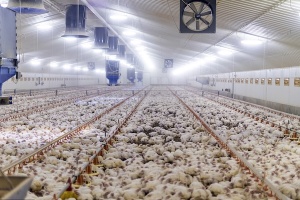
Quali metodi di raffreddamento funzionano meglio per gli allevamenti di polli da carne?
Per allevamenti di polli da carne, effective cooling methods are non-negotiable—high temperatures stress birds, slow growth, and cut into profits. Unlike other livestock, broilers generate significant body heat (especially in dense pens) and struggle to regulate their temperature. The right cooling strategy balances cost, efficiency, and bird comfort; below are the most reliable options for modern broiler operations.
Primo, evaporative cooling pads (often paired with exhaust fans) lead the pack for dry climates. These pads, made of porous material, absorb water; as hot air passes through, the water evaporates and cools the air by 10–15°C. Fans then push this cool air into the barn, creating consistent airflow. The system works fast: it can drop barn temperatures in minutes. For large farms, modular pad setups let you cool specific zones, so you don’t waste energy on empty spaces. Just note: this method raises humidity, so it’s less ideal for damp regions.
Prossimo, mist cooling systems excel in moderate climates. Fine water droplets (smaller than 50 microns) are sprayed into the air; they evaporate quickly, cooling the surrounding area without soaking birds or litter. Misters are often mounted above pen rows, so the cool air settles directly over the broilers. They’re low-cost to install and use less water than pad systems. To avoid wet litter (which breeds bacteria), pair misters with low-speed fans—this speeds up evaporation and keeps the air dry.
For farms in humid areas, ventilation-only cooling (using high-volume, low-speed fans) is a safe bet. These fans circulate air across the birds’ bodies, which releases heat through convection. Unlike evaporative methods, they don’t add moisture—critical for regions where humidity already hovers above 60%. Mount fans at bird height (not just ceiling level) to ensure air reaches the densest parts of the pen. For extra efficiency, add adjustable shutters: they direct airflow exactly where it’s needed, so no cool air goes to waste.
Another option: shade structures (for outdoor or semi-outdoor farms). Semplice, durable roofs (made of metal or UV-resistant fabric) block direct sunlight, lowering pen temperatures by 5–8°C. Pair shade with side curtains (that roll up at night) to trap cool air and keep hot winds out. Shade structures are low-maintenance and work well alongside other cooling methods—think of them as a first line of defense against heat.
Finalmente, cooling tunnels (a more advanced setup) are perfect for large commercial farms. These enclosed sections of the barn use a combination of pads, fan, and insulated walls to create a “cold zone” where broilers can retreat during peak heat. Tunnels are sized to fit pen traffic: birds move in and out freely, so they self-regulate their cooling. While they cost more to install, tunnels reduce heat stress by 30% (studies show) and boost feed conversion rates by 8–10%.
The key to successful broiler cooling? Mix and match methods to fit your climate and farm size. Per esempio: use evaporative pads in dry regions, add misting in moderate areas, and rely on ventilation in humid zones. No matter the setup, prioritize bird-level airflow and consistent temperature control—these are the two factors that most directly impact broiler health and growth.
Quel Stoutagri, we help broiler farms design custom cooling systems that balance efficiency and cost. From pad setups to fan configurations, our solutions are built to keep your birds cool, healthy, and productive—even on the hottest days.
Please click here to learn more about our cooling equipment.