 English
 العربية
 中文(简体)
 Français
 Deutsch
 Italiano
 Polski
 Português
 Русский
 Español
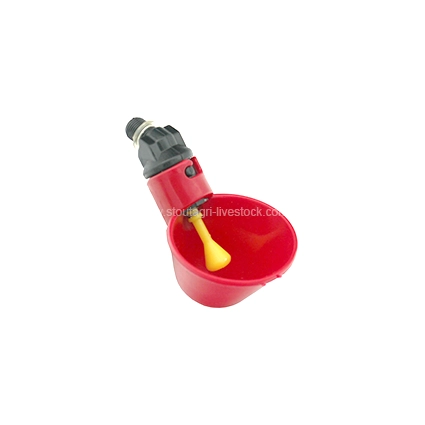
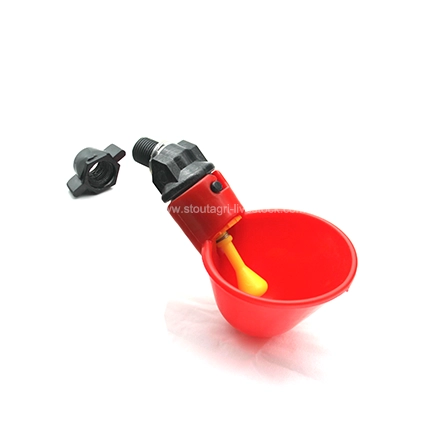
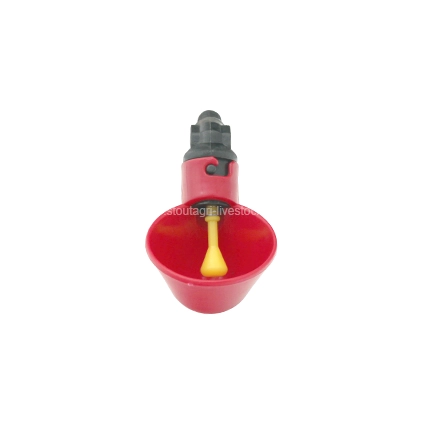
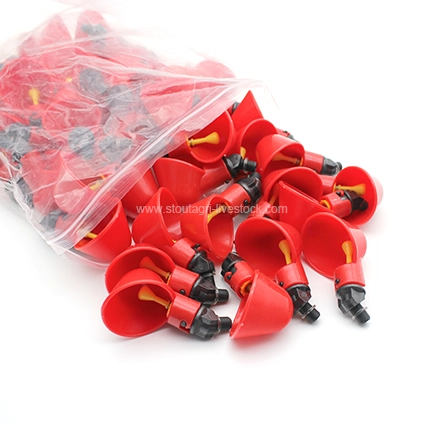
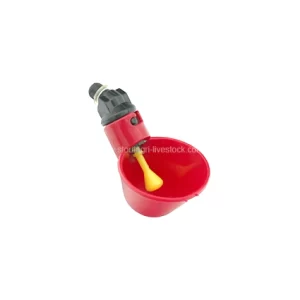
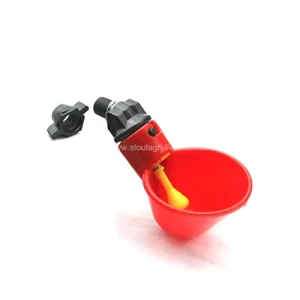
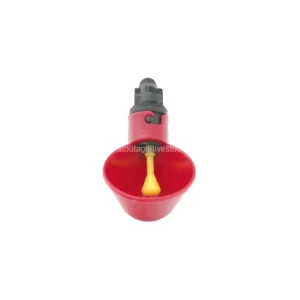
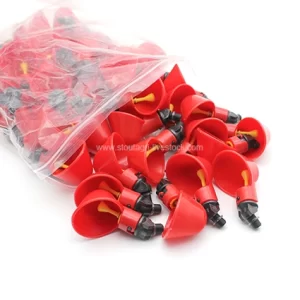
Poultry Cup Waterers
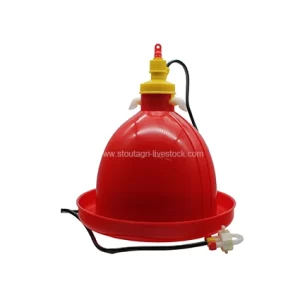
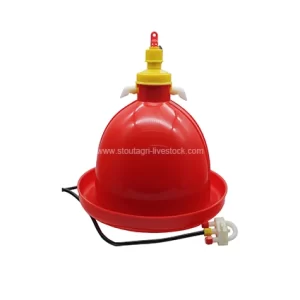
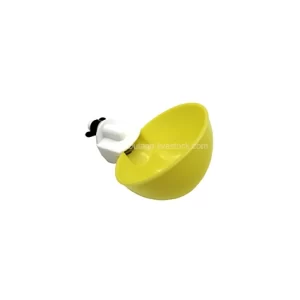
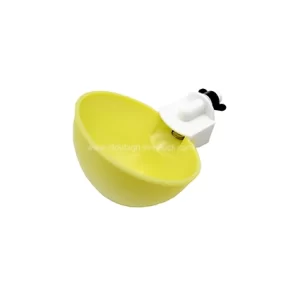
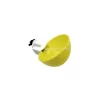
Poultry Cup Waterers are designed for small and medium poultry housing applications where a controlled water supply is required. The compact cup design allows birds to access fresh water through a peck-activated trigger mechanism, making them suitable for gravity-fed drinking systems and low-pressure PVC water lines.
The waterer uses a yellow trigger stem pin that releases water when birds activate it. This design helps reduce continuous water flow and supports cleaner drinking areas compared with traditional open containers.
Manufactured from heavy-duty engineering plastic, the cup waterer is commonly used for broilers, layers, pullets, quails, pigeons, pheasants, and bantam breeds. Each unit is generally recommended for 5–8 birds, depending on bird type and farm management conditions.
Technical Specifications
| Specification | Details |
| Product Number | 401520 |
| Product Material | Heavy-duty Engineering Plastic |
| Product Size | L85 × W48 × H35mm |
| Color | Standard Red (Custom colors available upon request) |
| Water Release Mechanism | Yellow Trigger Stem Pin |
| Mounting Method | Threaded screw / wingnut mounting |
| Installation Hole Size | Approx. 3/8″ (9.5 mm) |
| Recommended Operating Pressure | 0.05–0.15 bar (0.7–2.2 psi) |
| Target Livestock | Chickens, Quails, Pigeons, Pheasants, Bantam breeds |
| Recommended Capacity | 5–8 birds per cup |
Key Features
- Automatic water release mechanism
The trigger stem pin releases water when birds peck the cup, allowing controlled drinking without requiring manual filling. - Low-pressure system compatibility
The Poultry Cup Waterers are designed for gravity-fed applications, including bucket systems and low-pressure regulated PVC lines. - Flexible mounting options
The threaded screw and rear wing nut design allow installation on PVC pipes, bucket walls, and other suitable water containers. - Suitable for small poultry breeds
The compact cup structure supports drinking access for chicks, quails, pigeons, and other small birds. - Engineering plastic construction
The heavy-duty plastic body provides a practical solution for daily farm environments and routine cleaning operations.
Farm Applications
Typical applications include:
- Chick brooding areas for young birds
- Quail production cages and breeding areas
- Small-scale poultry houses
- Pigeon and ornamental bird facilities
- Nursery sections for pullets and other young poultry
Installation Tips
Before installation, confirm that the water supply system operates within the recommended pressure range of 0.05–0.15 bar.
The cup waterer can be installed by drilling an approximately 3/8″ (9.5 mm) mounting hole on a suitable PVC pipe, bucket wall, or water container side. Insert the threaded section through the hole and secure it with the rear wing nut.
In practice, installers should check that each cup remains level and firmly fixed to prevent unnecessary movement during bird access. Flush the water line before connecting the cups to remove debris that may affect the trigger mechanism. When connecting multiple drinking points, a Drinking Line Water Pressure Regulator can help maintain suitable water pressure for poultry drinking equipment.
Maintenance & Cleaning Tips
Regular inspection helps maintain stable water supply performance.
- Check the trigger stem movement regularly and remove any feed dust or debris around the mechanism.
- Clean the cup surface periodically to prevent algae, dirt, or residue buildup.
- Inspect mounting points to ensure the wing nut remains tightened.
- Flush the water supply system when replacing or reinstalling multiple drinkers.
FAQ
What birds can use Poultry Cup Waterers?
They are commonly used for chickens, quails, pigeons, pheasants, bantam breeds, and other small poultry.
Can this waterer work with a high-pressure water line?
No. This model is designed for low-pressure gravity-fed systems such as bucket systems or regulated low-pressure PVC lines.
How many birds can one cup waterer supply?
One unit is generally recommended for approximately 5–8 birds, depending on bird size and management conditions.