
How to Choose the Right Poultry Farming Equipment for Modern Chicken Farms
Running a productive poultry farm requires more than just quality feed and healthy birds—efficient poultry farming equipment plays a crucial role in maximizing growth, minimizing waste, and ensuring animal welfare. From automated feeders to climate-controlled coops, selecting the right tools can make all the difference in profitability and flock management.
Key Factors When Selecting Poultry Equipment
1. Assess Your Farm’s Scale and Needs
Small backyard setups and large commercial operations have different demands. A poultry feeding system for 50 birds won’t suit a 10,000-hen facility. Consider flock size, available space, and labor availability before investing.
2. Prioritize Durability and Ease of Maintenance
Cheap, flimsy tools lead to frequent replacements and higher long-term costs. Look for high quality plastic poultry feeders, corrosion-resistant drinkers, and sturdy enclosures that withstand weather and constant use. Equipment should be easy to clean to prevent disease outbreaks.
3. Automate for Efficiency
Modern farms increasingly rely on automatic poultry drinkers and feed dispensers to reduce labor. Timed systems ensure consistent access to food and water, promoting uniform growth. Some advanced setups even include sensors to monitor consumption.
4. Optimize Space with Smart Design
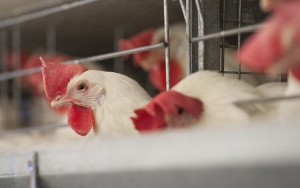
Overcrowding stresses birds and increases illness risk. Layer cages with manure belts keep hens separated while simplifying waste removal. Slatted flooring improves hygiene, and vertical stacking maximizes space in compact farms.
5. Ensure Proper Ventilation and Climate Control
Poor airflow leads to respiratory diseases. Install exhaust fans, Verdunstungskühlkissen, or heaters depending on your climate. Automated systems adjust temperature and humidity, keeping birds comfortable year-round.
6. Focus on Bird Health and Safety
Sharp edges, loose wiring, or poorly designed perches can injure chickens. Choose rounded-edge poultry nest boxes, smooth-surfaced feeders, and predator-proof coop materials. Antibacterial water nipples also help prevent contamination.
Where to Source Reliable Equipment
Not all suppliers meet industry standards. Look for manufacturers with certifications and positive customer reviews. Many farms now opt for modular poultry systems that allow gradual upgrades as operations expand.
Final Considerations
Investing in the right chicken rearing tools improves productivity, reduces costs, and enhances animal welfare. Start by evaluating your farm’s specific needs, then compare features, materials, and automation levels before purchasing.
Want to upgrade your operation? Explore our range of high-performance poultry farming solutions designed for modern, efficient farms.