
 English
 العربية
 中文(简体)
 Français
 Deutsch
 Italiano
 Polski
 Português
 Русский
 Español
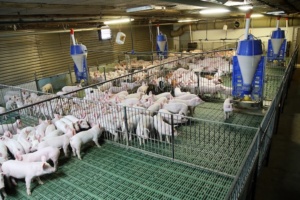
How Should a Pig Farm Equipment Setup Be Planned?
A pig barn is not simply a building filled with feeders, drinkers, and ventilation fans. Each equipment group affects another part of the production system.
A feeder influences feed access. A drinking system affects water availability and floor moisture. Flooring affects manure handling and barn hygiene. Ventilation controls air movement, temperature, and moisture.
For this reason, Pig Farm Equipment Setup should start with the farm’s production plan rather than with individual product selection.
In our field experience, equipment problems often come from choosing each component separately. A feeder may work well on its own but create access problems when installed too close to a pen partition. A ventilation system may have enough fan capacity but still perform poorly if air inlets are not matched to the barn.
The basic planning sequence should be:
Production stage → barn layout → animal flow → feeding and drinking → flooring → manure handling → ventilation → heating/cooling → maintenance access
This approach gives farm owners and distributors a clearer basis for equipment selection.
1. Start With the Pig Production System
Before selecting equipment, define how the barn will operate.
Important factors include:
- Nursery, growing, finishing, or breeding pigs
- Number of pigs per room or pen
- Pen dimensions
- Feeding method
- Drinking method
- Climate conditions
- Manure handling system
- Cleaning method
- Labor availability
A nursery barn and a finishing barn may use similar equipment categories, but the layout and installation details can differ considerably.
Match Equipment to Each Production Stage
| Production Stage | Main Equipment Considerations |
|---|---|
| Nursery | Piglet feeders, low-position drinkers, suitable flooring, controlled heating |
| Growing | Feeders, nipple drinkers, durable pen panels, ventilation |
| Finishing | High-capacity feeding and drinking, slatted flooring, strong ventilation |
| Gestation | Sow feeders, drinking equipment, pen or stall systems |
| Farrowing | Sow feeders, piglet feeders, heating equipment, drinking systems |
Most commercial farms benefit from designing each room around the animals that will occupy it instead of using one equipment arrangement throughout the entire farm.
2. Design the Barn Layout Before Ordering Equipment
Equipment dimensions and installation positions should follow the barn layout.
A practical pig pen normally needs clear zones for:
- Feeding
- Drinking
- Resting
- Manure deposition
- Animal movement
- Worker access
The feeding and drinking points should be easy for pigs to reach but should not unnecessarily increase floor wetting.
During farm installation, we also recommend checking whether workers can reach each component without entering difficult or unsafe positions.
This matters for routine tasks such as:
- Cleaning feeders
- Checking drinker flow
- Adjusting water pressure
- Replacing damaged components
- Inspecting ventilation equipment
A technically suitable product can still become inconvenient if the installation position makes routine maintenance difficult.
3. Build the Feeding System Around Daily Feed Management
Feed equipment is one of the largest operational components of a commercial pig barn.
Depending on farm size and management method, the setup may include:
- Feed Silos
- Feed Bins
- Pig Feeding Systems
- Pig Feeders
- Sow Feeders
- Wet/Dry Pig Feeders
- Feed Dispensers
- Chain Feeding Systems
- Piglet Feeders
Manual vs. Automatic Feeding
The choice depends on herd size, labor availability, feeding frequency, and the farm’s operating system.
| Feeding Method | Typical Consideration |
|---|---|
| Manual feeding | Lower system complexity but higher routine labor |
| Feed dispenser | Useful where controlled individual feeding is required |
| Chain feeding | Suitable for larger systems requiring centralized feed distribution |
| Automatic feeding | Reduces routine manual handling and supports scheduled feed delivery |
The goal is not simply to automate as much as possible. The system should match the farm’s actual labor and production requirements.
Feeders also need enough clearance for pigs to access feed without excessive competition.
4. Plan the Pig Drinking System at the Same Time
Water equipment should not be treated as an afterthought.
A commercial pig drinking system may include:
- Pig Nipple Drinkers
- Pig Water Bowls
- Pig Drinker Brackets
- Water Level Controllers
- Main water pipelines
- Filters and pressure-control components
Key Installation Points
For nipple drinkers, check:
- Installation height
- Drinker angle
- Water pressure
- Pipeline diameter
- Number of drinkers per pen
- Accessibility for inspection
Incorrect positioning can cause unnecessary water loss and wet flooring.
A good Pig Farm Equipment Setup therefore considers feeding and drinking points together. The two systems should provide easy access without creating unnecessary congestion inside the pen.
5. Choose Flooring and Pen Components for the Barn Environment
Flooring has a direct relationship with animal comfort, manure handling, and cleaning.
StoutAgri’s pig equipment range includes:
- Plastic Pig Slats
- Fiberglass Slat Support Beams
- PVC Panels for Pig Pens
- Plastic Driving Boards for Pigs
Plastic Slats vs. Other Flooring Systems
The appropriate flooring depends on:
- Pig weight
- Pen layout
- Manure system
- Cleaning procedure
- Structural requirements
- Local construction practices
The support structure also matters. Slats should work with the supporting beams and underlying manure-handling system rather than being selected independently.
Practical Farm Insight
During installation, check the transition between solid and slatted areas carefully.
Poor transitions can create:
- Difficult cleaning areas
- Feed accumulation
- Uneven animal movement
- Damaged flooring edges
Small layout details can affect daily barn management for years.
6. Ventilation Is a System, Not Just a Fan
A common mistake in pig barn projects is calculating ventilation only by the number of exhaust fans.
A complete system includes:
- Fans
- Exhaust Fans
- Air inlets
- Ventilation System
- Cooling Pads where evaporative cooling is appropriate
- Heating equipment for colder periods
The objective is to control air exchange while maintaining suitable barn conditions.
Airflow Must Match the Building
Fan capacity, inlet design, barn sealing, room dimensions, and outside climate all influence actual performance.
For hot regions, evaporative cooling can become an important part of the system. In colder regions, the priority may shift toward minimum ventilation and heat retention.
Commercial farms in Southeast Asia, Latin America, and other hot climates may have very different cooling requirements from farms operating in northern Europe or northern China.
This is why climate should be considered before finalizing equipment quantities.
7. Heating and Cooling Need Seasonal Planning
Piglets are particularly sensitive to environmental temperature, while larger pigs generate substantial heat as stocking density increases.
Depending on the production stage and climate, equipment may include:
- Infrared Livestock Heaters
- Infrared Heating Lamps
- Infrared Heat Bulbs
- Heat Lamp Holders
- Fans
- Cooling Pads
The installation should allow seasonal adjustment where possible.
For example, a heating system should not interfere with normal cleaning or animal movement. Cooling equipment should also remain accessible for inspection and maintenance.
8. Don’t Forget Water, Electricity, and Maintenance Access
A complete equipment plan must include the infrastructure required to operate it.
Before installation, check:
Water
- Main supply capacity
- Pipeline routes
- Pressure control
- Filtration
- Drainage
Electricity
- Fan requirements
- Heating equipment
- Automatic feeding equipment
- Control systems
- Backup power planning
Maintenance
- Access to motors and fans
- Easy replacement of drinkers
- Pipeline inspection points
- Cleaning access around feeders
- Spare parts storage
A farm can have good equipment and still experience operational problems if supporting infrastructure is inadequate.
9. Common Pig Farm Equipment Setup Mistakes
Buying Equipment Before Finalizing the Layout
This can lead to unsuitable dimensions, inconvenient access, or unnecessary modifications during construction.
Selecting Equipment Only by Price
Lower initial cost does not always mean lower total operating cost.
Consider:
- Expected service life
- Replacement parts
- Cleaning requirements
- Labor requirements
- Installation complexity
Ignoring Local Climate
Ventilation and cooling requirements vary substantially between regions.
Underestimating Maintenance
Equipment should be selected with future maintenance in mind, not only initial installation.
Mixing Incompatible Components
Pipelines, drinkers, feeders, electrical equipment, and structural components should be checked for compatibility before shipment and installation.
A Practical Equipment Checklist for Commercial Pig Farms
Before confirming an order, farm owners and distributors can use this checklist:
| System | Equipment to Check |
|---|---|
| Feed Storage | Feed Silos, Feed Bins |
| Feeding | Pig Feeding System, Pig Feeders, Feed Dispensers |
| Drinking | Pig Drinking System, Nipple Drinkers, Water Bowls |
| Pen Structure | PVC Panels, Driving Boards |
| Flooring | Plastic Pig Slats, Fiberglass Support Beams |
| Ventilation | Fans, Exhaust Fans, Ventilation System |
| Cooling | Cooling Pads |
| Heating | Infrared Heaters, Heat Lamps |
| Maintenance | Brackets, replacement parts, inspection access |
This simple checklist can help prevent missing components before equipment procurement begins.
How to Estimate the Real Cost of a Pig Equipment Project
The equipment quotation is only one part of the project cost.
Farm owners should also consider:
- Shipping
- Installation labor
- Electrical work
- Water pipeline installation
- Structural modifications
- Spare parts
- Maintenance
- Replacement cycles
For distributors, compatibility between different product groups is particularly important.
A supplier that can provide multiple related equipment categories may simplify communication, but buyers should still check technical specifications and installation requirements for each system.
Final Considerations Before Equipment Procurement
A successful Pig Farm Equipment Setup starts with the production system and barn layout, not with a product catalog.
Before placing an order, confirm:
- What type of pigs will occupy each room?
- How many animals will each pen hold?
- Where will pigs feed and drink?
- How will manure move through the barn?
- How will air enter and leave the building?
- How will the barn handle hot and cold seasons?
- Can workers easily inspect and maintain the equipment?
- Are all components compatible?
In our field experience, these questions are more useful during the planning stage than simply comparing individual product prices.
Good equipment selection should make daily farm work easier, not create additional work after installation.
StoutAgri Solutions for Pig Farm Equipment Setup
StoutAgri supplies equipment for several key areas of commercial pig production.
The product range includes:
Feeding:
Feed Silos, Feed Bins, Pig Feeding Systems, Pig Feeders, Sow Feeders, Wet/Dry Pig Feeders, Feed Dispensers, and Chain Feeding Systems.
Drinking:
Pig Drinking Systems, Pig Nipple Drinkers, Pig Water Bowls, Pig Drinker Brackets, and Water Level Controllers.
Housing:
PVC Panels for Pig Pens, Plastic Driving Boards, Plastic Pig Slats, and Fiberglass Slat Support Beams.
Climate Control:
Fans, Cooling Pads, Exhaust Fans, Ventilation Systems, Infrared Livestock Heaters, and Heating Lamps.
For farm projects and distribution orders, the equipment should be selected according to the barn layout, production stage, climate, and operating method.
Whether you are developing a new pig farm, upgrading an existing barn, or sourcing equipment for distribution, StoutAgri can help review the equipment requirements according to your project conditions.
Contact the StoutAgri engineering team to discuss your farm layout, equipment requirements, or distribution project and request a quotation.