
 English
 العربية
 中文(简体)
 Français
 Deutsch
 Italiano
 Polski
 Português
 Русский
 Español
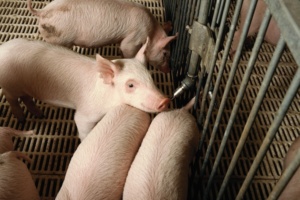
Pig Nipple Drinkers Installation: A Practical Guide for Modern Pig Farms
Proper Pig Nipple Drinkers Installation helps farms maintain reliable water supply, improve barn hygiene, and support stable animal performance.
Many farms focus on feeders, housing density, and ventilation while treating the drinking system as a simple pipe installation. In practice, an incorrectly installed drinking system can create daily problems:
- Pigs cannot access enough water
- Water pressure is unstable
- Drinking nipples leak continuously
- Floors stay wet around drinkers
- Labor time increases due to cleaning and inspection
In our field experience, the best results come from treating the drinking system as part of the complete barn design, not as a separate accessory installed after construction.
Why Proper Installation Matters in Pig Drinking Systems
Water Availability Directly Affects Pig Performance
Pigs require continuous access to clean drinking water. Water intake influences:
- Feed consumption
- Growth performance
- Body temperature regulation
- Health condition
- Reproductive performance in breeding herds
A pig may reduce feed intake when water supply is limited or inconvenient. This is especially important during hot weather, lactation periods, and rapid growth stages.
A properly designed automatic pig drinking system allows animals to drink whenever needed without depending on manual watering.
Common Problems Caused by Incorrect Installation
During farm inspections, several installation mistakes appear repeatedly:
| Problem | Possible Cause | Farm Impact |
| Water leakage around drinkers | Incorrect angle or damaged sealing | Wet floors and hygiene problems |
| Slow water flow | Low pressure or blocked pipeline | Reduced water intake |
| Pigs struggle to drink | Incorrect installation height | Lower drinking efficiency |
| Excess water consumption | Pressure too high | Water waste and manure management pressure |
| Uneven drinking performance | Too few drinkers per pen | Competition between pigs |
These issues usually do not appear immediately after installation. They often become visible after the farm operates for several months.
Step 1: Select the Correct Pig Nipple Drinkers
Before installation, farms should choose drinkers according to pig category and barn design.
Different production stages have different requirements.
Piglet Drinking Systems
Young piglets need easy access and lower installation positions.
Important considerations:
- Smaller drinker size
- Lower installation height
- Stable water flow
- Easy cleaning
Piglets are more sensitive to drinker position because their body size limits access.
Growing-Finishing Pig Drinking Systems
For growing and finishing pigs, farms usually require stronger drinkers with stable water output.
Common considerations:
- Durable materials
- Resistance to biting
- Suitable water pressure range
- Easy replacement
Most commercial farms install drinkers on pen walls or partitions where pigs can access them naturally.
Sow Drinking Systems
Breeding farms normally require higher water availability.
Lactating sows consume large amounts of water, especially during milk production.
Installation planning should consider:
- Higher water demand
- Larger pipeline capacity
- Easy maintenance access
Step 2: Determine the Correct Installation Height
One of the most important factors in Pig Nipple Drinkers Installation is positioning.
The drinker should match the size and age of pigs.
A drinker installed too high creates difficulty for smaller animals. A drinker installed too low may increase contamination risk.
General Installation Considerations
| Pig Stage | Installation Principle |
| Nursery pigs | Lower position for easy access |
| Growing pigs | Adjust according to shoulder height |
| Finishing pigs | Higher position to reduce contamination |
| Sows | Higher position with sufficient flow |
During farm installation, many engineers recommend checking pigs’ natural drinking posture rather than relying only on fixed measurements.
The drinker should allow pigs to drink comfortably without excessive head lifting or bending.
Step 3: Install the Water Pipeline Correctly
A good nipple drinker cannot perform well without a properly designed pipeline system.
Pipeline Design Points
1. Maintain Stable Water Pressure
Water pressure directly affects drinking performance.
Too low:
- Slow water delivery
- Longer drinking time
- Possible competition between pigs
Too high:
- Excess spraying
- Increased water waste
- Wet flooring
Commercial farms usually install pressure regulators or water management devices to maintain stable supply.
2. Avoid Excessive Pipeline Length
Long pipelines may create uneven pressure between the first and last drinkers.
For larger barns, consider:
- Dividing water lines into sections
- Installing regulators
- Planning pipe diameter according to demand
3. Keep Pipelines Accessible
Maintenance is easier when pipelines are visible and reachable.
During operation, farms need regular checks for:
- Leakage
- Blockage
- Mineral buildup
- Damaged fittings
Hidden pipelines may reduce installation appearance but increase future maintenance difficulty.
Step 4: Consider Drinkers Per Pen
The number of drinkers depends on:
- Number of pigs per pen
- Pig size
- Production stage
- Water consumption requirements
A common mistake is reducing drinker quantity to lower equipment costs.
However, insufficient drinkers can create:
- Competition between animals
- Uneven water intake
- Stress during peak drinking periods
Farm layout should balance equipment investment with long-term operation efficiency.
Step 5: Test the System Before Farm Operation
Before introducing animals, complete system testing is necessary.
A proper inspection should include:
Water Flow Test
Check:
- Every drinker operates normally
- Water flow remains consistent
- No blocked nipples exist
Leakage Inspection
Inspect:
- Pipeline joints
- Drinkers
- Connection points
Small leaks can create continuous moisture problems in pig houses.
Cleaning and Flushing
New pipelines may contain:
- Dust
- Installation debris
- Manufacturing residue
Flush the system before pigs enter the barn.
Regular flushing also helps maintain water quality during production.
Installation Mistakes Commercial Farms Should Avoid
1. Installing Drinkers Without Considering Pig Size
A drinker position suitable for finishing pigs may not work for nursery pigs.
Farm equipment should match animal development stages.
2. Ignoring Water Quality
Hard water and mineral content can affect drinker performance.
Regular inspection helps identify:
- Mineral deposits
- Reduced flow
- Pipeline blockage
3. Connecting Too Many Drinkers to One Small Pipeline
An undersized water supply line may cause pressure drops when many pigs drink simultaneously.
The pipeline design should match the expected water demand.
4. Placing Drinkers Near Feed Waste Areas
Feed contamination around drinking points increases cleaning requirements.
Good barn planning separates:
- Feeding area
- Drinking area
- Resting area
Maintenance Recommendations for Pig Nipple Drinkers
A drinking system requires regular management after installation.
Daily Checks
Farm workers should observe:
- Leakage
- Water availability
- Damaged drinkers
Weekly Checks
Inspect:
- Water pressure
- Pipeline condition
- Drinkers with abnormal flow
Periodic Maintenance
Depending on water quality:
- Flush pipelines
- Clean filters
- Replace worn components
A well-maintained drinking system reduces unnecessary water loss and improves barn cleanliness.
Choosing Reliable Pig Nipple Drinkers for Commercial Farms
When selecting equipment, buyers should evaluate more than the unit price.
Important factors include:
Material Quality
Drinkers should withstand:
- Daily animal contact
- Cleaning procedures
- Long-term operation
Farm Compatibility
Consider:
- Existing pipeline design
- Pen structure
- Pig production stage
Supplier Engineering Support
For export projects and large farms, technical communication is important.
A supplier should understand:
- Farm layout
- Climate conditions
- Installation requirements
- Maintenance expectations
StoutAgri Pig Nipple Drinkers Solution
StoutAgri supplies Pig Nipple Drinkers designed for commercial pig farm applications.
Our team works with distributors and farm customers to understand project requirements, including:
- Barn layout
- Pig production stage
- Drinking system design
- Installation conditions
Related solutions include:
- Pig Drinking System
- Water Level Controller for Pig Drinking System
- Pig Water Bowl
- Pig Drinker Bracket
- Pig Feeders
For complete barn projects, drinking equipment should work together with feeding systems, ventilation, flooring, and pen design.
If you are planning a new pig farm project or upgrading an existing drinking system, contact the StoutAgri engineering team to discuss your requirements and request a suitable solution.