
 English
 العربية
 中文(简体)
 Français
 Deutsch
 Italiano
 Polski
 Português
 Русский
 Español
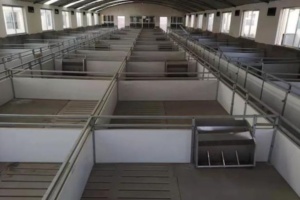
How to Choose the Right Pig Feeder for Your Farm?
Choosing the correct Pig Feeder is an important decision when designing or upgrading a commercial pig farm. The feeder directly affects feed availability, labor efficiency, hygiene management, and daily farm operation costs.
Many farm managers focus mainly on feeder price when purchasing equipment. However, in practical production, the lowest purchase cost does not always create the best long-term value. A feeder that does not match pig age, farm management style, or feeding system can increase feed waste, require more labor adjustment, and create unnecessary maintenance problems.
In our field experience, successful feeding equipment selection starts with understanding the farm’s production model. A nursery farm, finishing farm, and breeding farm have different requirements for feeder capacity, material durability, and feeding methods.
Modern commercial farms usually evaluate several factors before choosing a Pig Feeder, including:
- Pig growth stage and feeding behavior
- Farm size and stocking density
- Manual or automatic feeding system
- Feed type and moisture level
- Cleaning requirements
- Equipment durability in harsh barn environments
This guide explains the main feeder types, key selection factors, and practical installation considerations to help farm owners, integrators, and distributors make better purchasing decisions.
Problem Analysis
Common Feeding Challenges on Commercial Pig Farms
During farm installation and daily operation, many feeding problems are related to unsuitable feeder selection rather than feed quality itself.
1. Excessive Feed Waste
Feed waste is one of the biggest concerns for commercial pig farms. Poorly designed feeders may allow pigs to push, spill, or over-consume feed.
Common causes include:
- Incorrect feeder design for pig size
- Too much feed available at one time
- Poor adjustment of feed flow
- Insufficient feeding space
Feed waste directly increases production costs because feed represents a major part of pig production expenses.
2. Uneven Feed Access
On farms with high stocking density, feeder design influences whether smaller pigs can access feed properly.
A suitable feeder should provide:
- Enough feeding positions
- Stable feed distribution
- Easy access for different pig sizes
For nursery pigs, poor feeder design can affect early growth performance. For finishing pigs, insufficient feeding space may increase competition.
3. Difficult Cleaning and Maintenance
Commercial farms operate under strict hygiene requirements. Feeders that are difficult to clean may accumulate:
- Old feed residue
- Moisture
- Mold risk
During farm visits, we often find that simple cleaning access becomes an important factor after several years of operation.
Technical Explanation
Main Types of Pig Feeders
Different production stages require different feeder solutions.
| Feeder Type | Typical Application | Main Advantages |
| Stainless Steel Pig Feeder | Nursery pigs, growing pigs | Durable, corrosion resistant, easy cleaning |
| Double-sided Pig Feeder | Large-scale finishing farms | Higher feeding capacity, better space utilization |
| Wet/Dry Pig Feeder | Modern intensive farms | Provides feed and water access together |
| Automatic Chain Feeding System | Large commercial farms | Reduces labor requirements and improves feeding efficiency |
Stainless Steel Pig Feeder
Stainless steel feeders are widely used in commercial farms because they perform well in humid barn environments.
Key advantages:
- Strong corrosion resistance
- Long service life
- Easy washing and disinfection
- Suitable for intensive farming conditions
Commercial farms in regions with high humidity usually prefer stainless steel components because galvanized or lower-grade materials may experience faster corrosion.
Double-Sided Pig Feeder
A double-sided feeder allows pigs from both sides to access feed.
It is commonly used in:
- Finishing houses
- Large pig production units
- Group housing systems
Benefits include:
- Better utilization of barn space
- More pigs served per feeder
- Reduced equipment quantity requirements
During installation, farm engineers should consider aisle width, pen layout, and pig movement patterns.
Wet/Dry Pig Feeder
Wet/dry feeders combine feed and water supply in one unit.
They can help improve feeding convenience because pigs can consume feed with controlled water access.
However, farms should pay attention to:
- Water pressure adjustment
- Drinking valve maintenance
- Feed moisture control
Incorrect adjustment may increase feed loss or create wet areas around the feeder.
Farm Application Examples
Example 1: Nursery Pig Farm
For newly weaned piglets, feeder selection should focus on:
- Easy feed access
- Smooth internal surface
- Small feeding height
- Hygiene control
A stainless steel nursery feeder is often preferred because young pigs require frequent feeding and clean conditions.
Example 2: Finishing Pig Farm
Large finishing farms usually focus on:
- High capacity
- Reduced labor
- Stable feed supply
Double-sided feeders or automatic feeding systems are commonly integrated into modern finishing barns.
For example, a farm with thousands of finishing pigs may combine:
- Automatic feed delivery system
- Stainless steel feeders
- Adjustable feeding mechanisms
This improves daily management efficiency and reduces manual adjustment work.
Example 3: Breeding Farm
Sow farms have different feeding requirements.
A sow feeder should consider:
- Individual feeding management
- Strong structure
- Easy cleaning
- Long-term durability
Commercial breeding farms often prioritize equipment reliability because replacement work inside breeding areas can affect daily operation.
Practical Recommendations
How to Choose the Right Pig Feeder
Before purchasing, evaluate the following points:
1. Match the Feeder to Pig Age
Different pig stages require different feeder sizes.
Recommended considerations:
- Piglet feeder → smaller openings and lower height
- Grower feeder → medium capacity and adjustable feeding
- Finisher feeder → stronger structure and larger capacity
- Sow feeder → durable individual feeding design
2. Consider Farm Feeding Method
The feeder should match your feeding system.
| Farm Feeding Method | Recommended Feeder |
| Manual feeding | Stainless steel feeder |
| Semi-automatic feeding | Adjustable feeder |
| Automatic feeding | Chain feeding compatible feeder |
3. Evaluate Material Quality
For commercial farms, important material factors include:
- Stainless steel grade
- Welding quality
- Edge finishing
- Corrosion resistance
Poor welding or sharp edges may create safety problems and shorten equipment lifespan.
4. Plan Installation Before Purchase
During farm installation, feeder position should consider:
- Pen dimensions
- Pig movement
- Cleaning routes
- Feed delivery access
A good equipment layout reduces future labor requirements.
StoutAgri Related Solution
StoutAgri provides practical feeding equipment solutions for modern pig farms, including:
- Stainless steel pig feeders
- Double-sided pig feeders
- Wet/dry pig feeders
- Chain feeding system components
Our engineering approach focuses on matching feeder design with farm operation requirements.
Based on different farm projects, we help customers evaluate:
- Pig production stage
- Barn layout
- Feeding method
- Equipment material requirements
- Installation conditions
From small commercial farms to large-scale livestock projects, proper feeder selection helps create a more stable feeding environment.