
 English
 العربية
 中文(简体)
 Français
 Deutsch
 Italiano
 Polski
 Português
 Русский
 Español
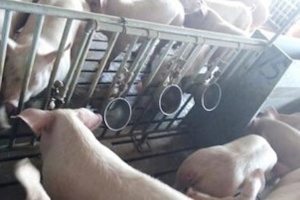
How to Choose the Right Size for Stainless Steel Pig Water Bowls
When outfitting a pig farm, stainless steel pig water bowls are non-negotiable for consistent hydration—but picking the wrong size can undermine their value. These durable, easy-to-clean bowls aren’t one-size-fits-all: their diameter, depth, and capacity must align with a pig’s age, size, and drinking habits. A bowl too small leaves younger pigs jostling for access; one too large wastes water (and raises costs) for smaller herds. Getting the size right ensures efficient hydration, healthier pigs, and smoother farm operations.
First, start with the pig’s life stage. For nursery pigs (3–8 weeks old), opt for compact bowls—typically 8–10 inches in diameter. These small, shallow designs fit their snouts and prevent accidental drowning (a rare but avoidable risk for tiny pigs). Nursery pigs drink in short, frequent bursts, so a 1–2 liter capacity works: it keeps water fresh without stagnation. Plus, smaller bowls fit neatly in tight nursery pen spaces, reducing clutter.
As pigs move to the grower-finisher stage (8 weeks to market weight), upgrade to 12–14 inch diameter bowls. These larger options accommodate bigger snouts and higher water intake—growers drink 3–5 liters daily, so a 3–4 liter capacity ensures they don’t run dry mid-day. Wider bowls also let 2–3 pigs drink at once, cutting down on competition (and stress) in crowded pens. Look for a slight depth (2–3 inches) here: it holds enough water but still lets pigs access it easily without splashing.
For sows and boars, size up to 16–18 inch diameter bowls with 5–6 liter capacity. Mature pigs drink 8–10 liters daily, especially sows during lactation (their intake spikes to support milk production). A larger bowl prevents overcrowding (sows are larger and need more space to drink) and reduces the need for frequent refills. The extra depth (3–4 inches) also minimizes water spillage, which keeps pen floors drier (and cleaner) to lower slip risks.
Beyond life stage, consider pen density. If your pens hold 10+ pigs, add an extra 1–2 inches to the bowl diameter per 5 pigs. More space per bowl means fewer fights over access, which keeps stress levels low (and growth rates high). For example, a pen of 15 grower pigs might need 14–16 inch bowls instead of the standard 12–14 inches.
Another factor: water pressure. High-pressure systems pair better with larger bowls—they can handle faster flow without overflowing. Low-pressure setups work well with smaller bowls, as slower flow prevents water from pooling (and attracting bacteria). Always match bowl size to your farm’s water system to avoid waste or inefficiency.
Finally, test and adjust. Even the most research-backed size choice might need tweaks. If you notice pigs struggling to reach water (or splashing excessively), swap in a slightly larger or smaller bowl. Small adjustments now save time and money later: proper hydration boosts feed conversion rates by 5–10%, so getting the bowl size right directly impacts your bottom line.
In short, stainless steel pig water bowl size isn’t a random choice—it’s a strategic decision tied to pig health, farm efficiency, and cost control. By matching diameter, depth, and capacity to life stage, pen density, and water pressure, you’ll ensure your pigs stay hydrated (and productive) without unnecessary waste. For farms looking to optimize their setup, StoutAgri offers a range of sized bowls tailored to every pig’s needs—because the right bowl size is the first step to a thriving herd.
You can learn more about StoutAgri’s pig watering equipment by clicking the link here