
 English
 العربية
 中文(简体)
 Français
 Deutsch
 Italiano
 Polski
 Português
 Русский
 Español
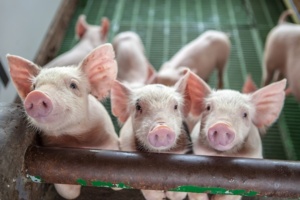
Modern Pig Farm Equipment: How to Design a Complete System
Designing a modern pig farm is not only about selecting individual machines or installing equipment inside a barn. A successful farm requires an integrated equipment system where feeding, drinking, housing, ventilation, and daily management work together.
In commercial pig production, equipment decisions directly influence labor efficiency, animal performance, hygiene control, and long-term operating costs. A feeding system that does not match the farm scale can increase feed waste. An improperly designed drinking system may create water leakage and affect pen cleanliness. Poor ventilation integration can increase environmental stress and reduce production stability.
In our field experience working with livestock projects, many farm owners focus first on building size and animal capacity but underestimate the importance of equipment planning. However, equipment layout should be considered during the early farm design stage because it affects building structure, pipeline installation, maintenance access, and future expansion.
A modern pig farm equipment system should be designed around three key principles:
- Matching equipment capacity with farm production scale
- Improving daily management efficiency
- Creating a cleaner and more stable environment for pigs
This article explains the main equipment systems required for modern pig farms and provides practical recommendations for farm owners, contractors, and global livestock equipment distributors.
Why Modern Pig Farms Need an Integrated Equipment System
Equipment Selection Affects Daily Farm Performance
A pig farm operates continuously throughout the year. Every day, workers interact with feeding systems, drinking systems, pens, and climate control equipment.
Small design mistakes can create repeated operational problems:
| Equipment Area | Common Problem | Possible Impact |
| Feeding system | Uneven feed distribution | Feed waste and inconsistent growth |
| Drinking system | Incorrect water pressure or leakage | Wet pens and hygiene issues |
| Pig housing | Poor pen layout | Difficult management and cleaning |
| Ventilation | Insufficient airflow | Heat stress and poor air quality |
| Flooring system | Incorrect material selection | Injury risks and maintenance problems |
Most commercial farms cannot solve these issues after construction without additional cost. Therefore, equipment planning should happen together with barn design.
Key Components of a Modern Pig Farm Equipment System
1. Feeding System Design
Feed represents one of the largest operating costs in pig production. A properly designed feeding system helps farms control feed delivery, reduce waste, and improve labor efficiency.
A complete pig feeding system normally includes:
- Feed silos
- Feed bins
- Feed conveying equipment
- Feed dispensers
- Pig feeders
- Automatic feeding systems
For commercial farms, the feeding system should match:
- Number of pigs per building
- Production stage
- Feeding frequency
- Labor availability
Feeding Equipment Selection by Production Stage
| Pig Stage | Recommended Equipment |
| Piglets | Piglet feeders designed for easy access |
| Nursery pigs | Nursery pig feeders with adjustable feed control |
| Growing-finishing pigs | Wet/dry feeders or automatic feeding systems |
| Sows | Sow feeders designed for individual feeding management |
During farm installation, we usually recommend considering future expansion. A feeding system that works for today’s capacity should also allow additional barns or production lines later.
2. Drinking Water System Design
Water management is often underestimated, but pigs require continuous access to clean water.
A complete pig drinking system may include:
- Water pipelines
- Water pressure regulators
- Water level controllers
- Pig nipple drinkers
- Pig water bowls
- Drinking brackets
A properly designed drinking system should consider:
- Water flow rate
- Installation height
- Pipeline layout
- Cleaning accessibility
Pig Nipple Drinker vs Pig Water Bowl
| Equipment | Advantages | Suitable Application |
| Pig Nipple Drinker | Reduces water contamination and saves space | Nursery and finishing barns |
| Pig Water Bowl | Easy access and visible water supply | Sows and some group housing systems |
Commercial farms in different regions may choose different solutions depending on management style and climate conditions.
For example, farms in hot climates often pay more attention to water availability because pigs increase water consumption during heat stress periods.
3. Pig Housing and Pen Equipment
The housing system creates the daily living environment for pigs.
Modern pig barns usually include:
- PVC panel systems for pig pens
- Plastic pig slats
- Fiberglass slat support beams
- Pen accessories
- Driving boards for pig handling
The design should consider:
- Animal movement
- Cleaning efficiency
- Worker access
- Durability
Plastic flooring systems are widely used in modern farms because they help improve hygiene management and simplify manure separation.
During installation, correct support spacing and load calculation are important. Incorrect installation may reduce service life and increase maintenance requirements.
4. Climate Control Integration
Environmental control becomes increasingly important as farms increase stocking density.
A modern pig farm climate system normally includes:
- Ventilation systems
- Exhaust fans
- Cooling pads
- Heating equipment
The goal is to maintain:
- Stable temperature
- Appropriate humidity
- Good air exchange
Young piglets require additional heating support, especially during early growth stages. Infrared livestock heaters and heating lamps are commonly used in nursery areas.
In warmer regions, ventilation and cooling systems become essential for maintaining animal comfort.
Farm Application Examples
Example 1: Medium Commercial Pig Farm
A medium-sized farm with several thousand pigs may require:
- Automatic feeding lines
- Central water supply system
- Pig nipple drinkers
- Plastic pig slats
- Ventilation control equipment
The main objective is reducing daily manual work while maintaining stable production conditions.
Example 2: Expansion Project for Existing Farm
Many farms expand gradually.
During expansion projects, equipment selection should consider:
- Compatibility with existing systems
- Spare parts availability
- Maintenance convenience
A modular equipment approach allows farms to upgrade sections without replacing the entire system.
Practical Recommendations for Farm Owners and Distributors
1. Design Equipment Before Construction
Equipment layout should be confirmed before barn construction.
Important factors include:
- Pipeline routes
- Feeding line positions
- Ventilation openings
- Maintenance space
2. Choose Equipment Based on Management Style
There is no single solution for every farm.
A family-operated farm may prefer simple and reliable equipment.
A large integrated company may require automated systems with higher capacity.
3. Consider Long-Term Maintenance
When selecting equipment, buyers should evaluate:
- Material durability
- Replacement parts availability
- Cleaning requirements
- Supplier technical support
Low purchase cost does not always mean lower operating cost.
StoutAgri Solutions for Modern Pig Farm Equipment
StoutAgri provides equipment solutions for commercial pig farming operations and international livestock distributors.
Our product range covers key parts of a modern pig farm equipment system, including:
- Pig Feeding System
- Wet/Dry Pig Feeders
- Pig Nipple Drinkers
- Pig Water Bowl
- PVC Panel for Pig Pens
- Plastic Pig Slats
- Ventilation System
Our engineering approach focuses on helping customers select suitable equipment according to:
- Farm size
- Production stage
- Climate conditions
- Installation requirements
Request a Pig Farm Equipment Consultation
Planning a new pig farm project or upgrading an existing facility?
Contact the StoutAgri engineering team to discuss:
- Farm layout requirements
- Equipment selection
- Project quotation
- Distributor cooperation opportunities