
 English
 العربية
 中文(简体)
 Français
 Deutsch
 Italiano
 Polski
 Português
 Русский
 Español
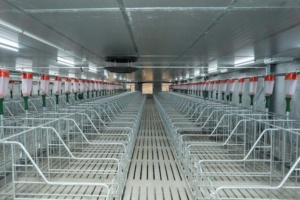
Designing a modern pig farm is no longer about selecting equipment one product at a time. The best-performing farms treat every component as part of a complete Pig Farm Equipment System, where feeding, drinking, ventilation, flooring, manure removal, and environmental control work together.
A well-planned system improves daily management, reduces labor requirements, minimizes feed waste, and creates a healthier environment for pigs at every production stage. It also makes future expansion much easier.
In our field experience, many performance issues are not caused by equipment quality alone. Instead, they often result from poor system planning, mismatched equipment capacities, or inefficient barn layouts.
This guide explains the essential equipment needed for a modern pig farm and how these systems should be integrated.
Why System Design Matters More Than Individual Equipment
Many new farms focus on choosing the “best” feeder or ventilation fan. However, successful commercial operations understand that equipment performs best when every component works together.
A complete Pig Farm Equipment System should achieve several objectives:
- Deliver feed consistently
- Provide reliable access to clean water
- Maintain stable barn temperatures
- Improve air quality
- Reduce labor intensity
- Support biosecurity
- Simplify routine maintenance
During farm installation, we often find that small design adjustments can significantly improve daily operation without increasing equipment costs.
Core Components of a Pig Farm Equipment System
Feeding System
The feeding system directly influences growth performance and feed conversion.
Typical equipment includes:
- Dry feeders
- Wet/dry feeders
- Sow feeding stations
- Automatic chain feeding systems
- Feed storage silos
- Feed delivery lines
Large commercial farms usually select automatic feeding systems to reduce labor and maintain consistent feed distribution.
Drinking System
Continuous access to clean drinking water is essential for pig health.
A drinking system commonly includes:
- Stainless steel nipple drinkers
- Drinking bowls
- Water pressure regulators
- Water filters
- Stainless steel pipe fittings
Different pig categories require different drinking equipment, so water point selection should match pig size and production stage.
Flooring System
Floor design affects hygiene, manure removal, and hoof health.
Common options include:
| Flooring Type | Typical Application |
| Plastic slats | Nursery pigs |
| Cast iron slats | Farrowing crates |
| Concrete slats | Finishing barns |
| Composite flooring | Mixed production systems |
Most commercial farms combine several flooring materials according to different housing areas.
Ventilation and Climate Control
Environmental control is one of the most important investments in modern pig production.
Typical equipment includes:
- Exhaust fans
- Air inlets
- Cooling pads
- Circulation fans
- Heating systems
- Environmental controllers
Commercial farms in hot climates usually integrate evaporative cooling with tunnel ventilation to improve summer performance.
Manure Handling
Effective manure removal helps improve barn hygiene while reducing labor requirements.
Common systems include:
- Scraper systems
- Flush systems
- Slatted flooring
- Underground manure channels
- Storage pits
The selected system should comply with local environmental regulations.
Barn Control Equipment
Automation allows farm managers to monitor barn conditions more efficiently.
Modern systems may include:
- Temperature controllers
- Humidity sensors
- Ventilation controllers
- Alarm systems
- Water monitoring devices
- Feed monitoring systems
Although automation increases the initial investment, it often reduces long-term operating costs.
Farm Application Examples
Small Farms
Typical capacity:
- Under 500 pigs
Recommended equipment:
- Manual feeders
- Nipple drinkers
- Basic ventilation
- Plastic flooring where appropriate
This configuration offers a lower initial investment while remaining easy to maintain.
Medium Commercial Farms
Typical capacity:
- 500–3,000 pigs
Most farms install:
- Automatic feeding lines
- Wet/dry feeders
- Environmental control equipment
- Mechanical ventilation
- Improved manure handling
This balance improves labor efficiency without excessive system complexity.
Large Integrated Farms
Typical capacity:
- More than 3,000 pigs
These farms usually integrate:
- Fully automated feeding
- Central feed storage
- Intelligent ventilation
- Climate monitoring
- Automated manure management
- Centralized control systems
The goal is consistent production with minimal manual intervention.
Practical Recommendations
Before purchasing equipment, evaluate the following:
- Current herd size
- Future expansion plans
- Local climate
- Available utilities
- Feed storage capacity
- Water quality
- Maintenance access
- Local technical support
In our field experience, planning for future expansion often provides a better return than purchasing oversized equipment immediately.
If you are planning a new pig farm or upgrading an existing facility, consulting with an engineering team during the design stage can help avoid costly layout changes later.
StoutAgri Related Solution
StoutAgri supplies integrated equipment for modern pig production rather than isolated products.
Our product range includes:
- Pig feeding systems
- Wet/dry pig feeders
- Pig nipple drinkers
- Drinking bowls
- Plastic slatted flooring
- Ventilation equipment
- Cooling systems
- Heating equipment
- Farm hardware and accessories
We also assist distributors, contractors, and farm owners with equipment selection and layout recommendations based on herd size, production objectives, and local operating conditions.
Maintenance Checklist
A well-designed system still requires regular maintenance.
Recommended routine inspections include:
- Clean feeders regularly.
- Check drinkers for leaks.
- Inspect water pressure.
- Remove dust from ventilation fans.
- Replace worn seals and fittings.
- Test controllers and sensors.
- Inspect flooring for damage.
- Lubricate moving mechanical components.
Preventive maintenance helps extend equipment life while reducing unexpected downtime.
Conclusion
A successful Pig Farm Equipment System combines reliable equipment with practical engineering design. Feeding, drinking, ventilation, flooring, manure handling, and environmental control should operate as one integrated system rather than separate installations.
Careful planning at the beginning of a project often leads to lower operating costs, improved animal welfare, and easier farm management throughout the life of the facility.
Request Engineering Support
Whether you are building a new pig farm or upgrading an existing facility, StoutAgri can help you evaluate equipment requirements and recommend a practical system configuration.
Our engineering team can provide:
- Farm layout consultation
- Equipment recommendations
- Product selection guidance
- Distributor support
- Project quotations
Contact StoutAgri to discuss your project requirements and request a customized equipment proposal.