
 English
 العربية
 中文(简体)
 Français
 Deutsch
 Italiano
 Polski
 Português
 Русский
 Español
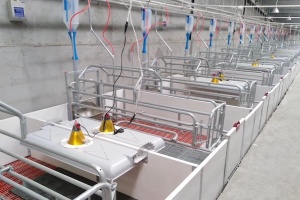
How to Keep Piglets Warm in Cold Weather: Practical Tips for Pig Farms
For pig farmers, piglet warming solutions are critical in cold weather—newborns lack fat reserves and struggle to regulate body temperature, making them vulnerable to hypothermia. These strategies, from targeted heat sources to pen adjustments, don’t just keep piglets cozy; they boost survival rates, support healthy growth, and protect your farm’s bottom line. Below are actionable, science-backed methods to shield young pigs from the cold.
First, invest in infrared heating lamps—a staple for nursery pens. These lamps emit gentle, focused heat that mimics a sow’s body warmth, creating a cozy “hot zone” (30–32°C for newborns) where piglets can rest. Mount lamps 60–80 cm above the bedding, and use a reflector to direct heat downward. Unlike space heaters, they don’t dry out the air or pose fire risks (when used with heat-resistant fixtures). Adjust the height as piglets grow—lower for tiny newborns, higher for 2–3 week olds—to maintain ideal temperatures.
Next, optimize pen insulation to lock in warmth. Line pen walls with foam boards or insulated panels to block drafts; even small gaps can drop temperatures by 5–8°C. Cover pen floors with thick, dry bedding—straw, wood shavings, or shredded paper work well. Bedding traps air, creating a natural barrier against cold concrete. Replace wet bedding daily: moisture saps heat and increases disease risk. For extra protection, add a draft shield (a plywood or plastic barrier) around the piglet resting area to block crosswinds.
Portable heating pads are another reliable option, especially for small litters. These pads provide consistent, low-level heat (28–30°C) that soothes piglets without overheating. Place them under a portion of the bedding so piglets can move on or off as needed—this lets them self-regulate temperature. Look for waterproof, chew-resistant models to withstand piglet activity. Pair pads with a lamp for larger pens; the combination ensures no cold spots.
Group housing also helps piglets stay warm. Young pigs huddle together to share body heat, reducing energy loss. Keep litters in small, separate pens (4–6 piglets per square meter) to prevent overcrowding while maximizing huddling. Avoid mixing piglets of different ages—size differences can lead to bullying, and younger pigs may get pushed away from heat sources.
Monitor temperature closely with a digital thermometer. Place it at piglet height (10–15 cm above the floor) to get accurate readings. Newborns need 30–32°C for the first week; reduce by 2–3°C each week until they’re 4 weeks old (20–22°C). If piglets shiver, huddle excessively, or refuse to eat, the temperature is too low—adjust heat sources immediately.
Finally, support warmth with nutrition. Cold piglets burn more energy to stay warm, so offer extra feed (high in protein and fat) to sows—this boosts milk production, keeping piglets full and energized. For weaned piglets, provide warm water (15–20°C) and wet feed to encourage intake; cold water or dry feed can lower their core temperature.
In summary, keeping piglets warm in cold weather requires a mix of targeted heat, insulation, and smart management. Infrared lamps, heating pads, and thick bedding form the foundation, while proper pen design and nutrition reinforce these efforts. By prioritizing consistent, piglet-friendly warmth, you’ll reduce mortality, speed up growth, and set your herd up for long-term success. At StoutAgri, we offer durable heating solutions tailored to pig farm needs—because healthy piglets mean a thriving farm.
Click this link to learn more about StoutAgri’s piglet warming equipment.