
 English
 العربية
 中文(简体)
 Français
 Deutsch
 Italiano
 Polski
 Português
 Русский
 Español
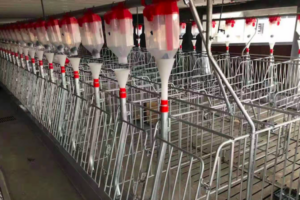
How to Prevent Feed Waste in Livestock Farming
Livestock Farming operations in many areas can reduce feed waste by 10–18% through correct feeder design, feeding line adjustment, and proper installation. In large-scale farms with 2,000–5,000 pigs or poultry units, feed loss often comes from poor flow control, uneven distribution, or incorrect feeder positioning rather than feed quality itself.
In our field experience, farms usually focus on feed formulation first. However, mechanical delivery systems often create the biggest losses.
Where Feed Waste Usually Happens
In most farms, feed waste commonly appears in three areas:
- Feeding pans overflow
- Feed drops unevenly across lines
- Animals pull excess feed from open feeders
These issues increase feed conversion costs quickly.
Commercial standards in Spain show that modern farms now prioritize feed control systems alongside nutrition management. According to the Food and Agriculture Organization (FAO), feed efficiency remains one of the key factors affecting livestock production costs.
How Modern Feeding Systems Reduce Waste
Automatic feeding systems work by delivering controlled feed volumes through pipelines or augers.
In pig farms, dry feeding systems typically operate with:
- Feed drop intervals: 60–90 seconds
- Motor power: 1.5–2.2 kW
- Feed line length: up to 250 meters
- Hopper outlet adjustment: 30–45 mm opening
Correct settings matter. If feed flow is too aggressive, feeders overflow. If flow is restricted too much, pigs compete and push feed out of the trough.
In poultry farms, pan feeding systems require balanced line calibration. Uneven suspension height often causes birds to scatter feed.
Installation Details That Matter
System installation directly affects feed efficiency.
In a 3,000-head pig facility in northern Spain, feeder adjustment reduced visible feed loss by nearly 15% within two production cycles.
Key installation points include:
Feeder Height
- Pig feeders should align with shoulder height
- Poultry pans should stay level across the line
Incorrect height increases animal aggression and feed spillage.
Feed Flow Control
Feed flow settings should match animal age and feed particle size.
For finishing pigs:
- Recommended feed depth: 40–50% of pan depth
- Excessive feed exposure increases wastage
For broilers:
- Pan lip height must remain consistent throughout the house
Pipeline Layout
Long pipelines require stable delivery pressure.
In real farm conditions, systems over 150 meters should include:
- Intermediate drive units
- Stable auger tension
- Proper corner positioning
Without these adjustments, feed distribution becomes uneven.
Common Mistakes in Livestock Farming
Many farms invest in good equipment but ignore setup details.
The most common problems include:
- Feeders placed too low
- Incorrect feed flow settings
- Overfilled pans
- Poor line calibration
- Delayed maintenance on augers and motors
In our field experience, maintenance delays alone can increase feed loss by 5–8%.
Why Feed Waste Matters More in Spain
Spanish livestock farms operate under rising feed and energy costs. Therefore, small efficiency improvements create measurable financial impact.
For example:
In a 2,500-head finishing farm:
- Reducing feed waste by 12% can save several tons of feed per production cycle
- Labor for cleaning spilled feed also decreases
Moreover, cleaner feeding areas improve barn hygiene and reduce pest activity.
Real Operational Insight
Most commercial farms in Spain now use automated feeding systems with adjustable feed control instead of manual feeding methods.
The reason is simple:
- Better consistency
- Lower labor demand
- Reduced feed loss
However, automation alone does not solve waste problems. System tuning remains critical.
Clear Recommendation
For large-scale livestock farming operations in Spain, automatic feeding systems with adjustable flow control offer the best long-term results.
Feed waste reduction depends on:
- Correct feeder setup
- Proper installation height
- Stable pipeline operation
- Regular maintenance
Without these factors, even high-quality systems lose efficiency.
Technical Support for Your Farm
Every farm layout is different. Feed line length, animal density, and building structure all affect system performance.
👉 Contact StoutAgri for a technical consultation.
👉 Request a quote for your specific farm layout.